
The Christian Methodist Episcopal (CME) Church stands at a crucial moment. Across our Episcopal Districts, local churches continue to labor faithfully; however, many congregations are facing growing challenges, including declining engagement, generational divides, limited financial resources, a shortage of pastors, and a culture that no longer responds to evangelism as it once did. The question before us is not whether evangelism and missions still matter—they do, now more than ever. The real question is how we will lead evangelism and missions forward with wisdom, unity, accountability, and faithfulness in this season of the church?
This moment calls for leadership that is built on lived experience, shaped by collaboration, and proven in practice. I am prepared for this role because my life, ministry, and service reflect the very work the office of General Secretary of Evangelism & Missions is called to advance.
Understanding the Challenge Before Us
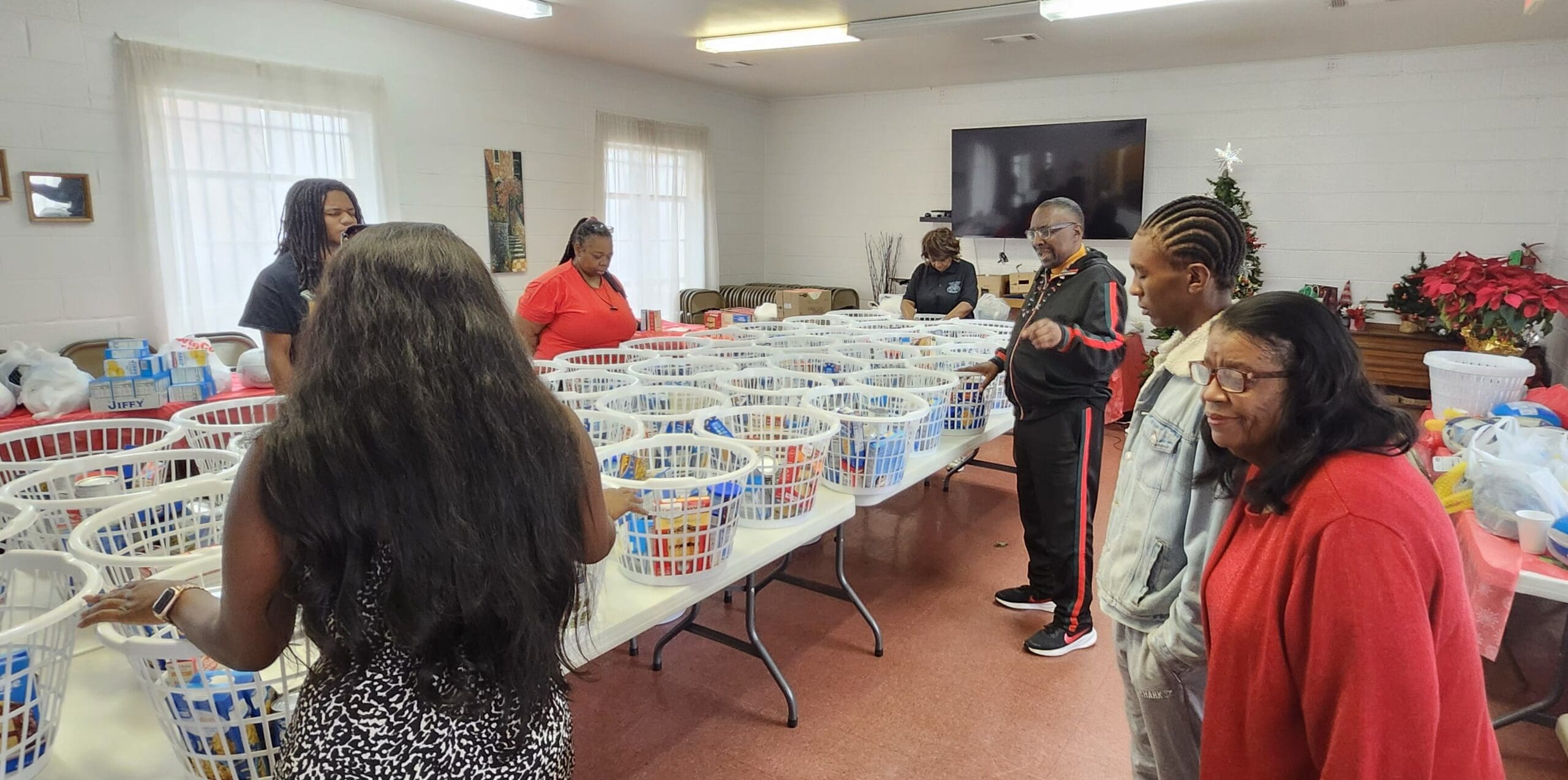
Evangelism today looks very different than it did just a generation ago. It can no longer remain limited to the church within the walls or occasional outreach events. Many families and communities are fragmented, and in this political climate, the church must work harder to rebuild trust, connection, and hope. Trust in institutions, including the church, is fragile, leaving many people spiritually disconnected from organized religion. Others carry church hurt, skepticism, or misunderstanding about faith and the role of the church in society. At the same time, missions—both domestic and global have grown more complex. Mission work is no longer as simple as it once was. The calling has not changed, but the conditions have. Effective missions now require sustainable partnerships, cultural humility, accountability, and responsible stewardship of resources. Communities want to know that the church cares and is committed to walking alongside them with dignity and respect.
Within the CME Church, our challenge is not a lack of faith, passion, or dedication. We are rich in our spiritual heritage and commitment. Our challenge lies in the need for coordinated strategy and alignment, consistent support for local churches, transparent communication, and leadership that listens as much as it leads. Many churches are doing evangelism and outreach, but often operate in isolation, without shared frameworks, training, or connectional reinforcement. This season requires leaders with practical, hands-on ministry experience, rather than just theoretical or academic knowledge.
The shortage of pastors has become an everyday reality for many churches across the connection, particularly in rural and underserved areas. I have recently spoken with pastors who are carrying the responsibility of leading two or three congregations, as well as others who have come out of retirement to serve churches because of this shortage. While they serve faithfully, this strain makes it difficult to sustain consistent evangelism, discipleship, and pastoral care. Howard Thurman reminds us that sustaining leadership requires attentiveness to the inner life of those who serve.
When pastors are stretched across multiple congregations or asked to return from retirement out of necessity, that inner life is often strained. This reality calls the church to invest more intentionally in leadership development, shared ministry, and spiritual formation so that the call to pastoral ministry remains both faithful and sustainable. Evangelism and missions should not pause while churches wait for a pastor; they must continue to be supported through intentional training, shared resources, and connectional collaboration.
Prepared Through Practice, Not Theory
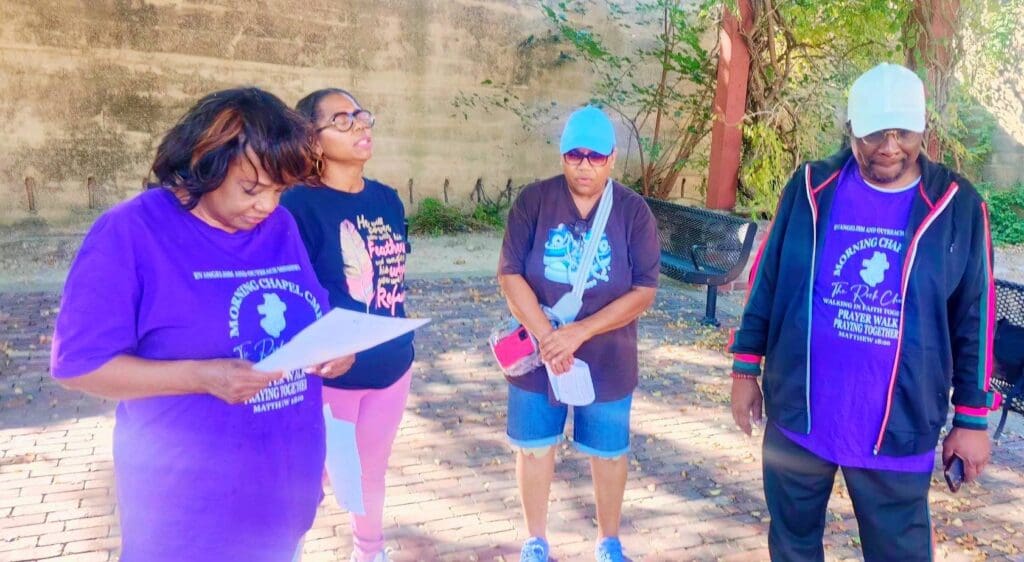
My readiness for this role is built on decades of hands-on ministry experiences with boots on the ground. I have led evangelism as a culture of outreach woven into the life of every church that I have pastored. I have engaged communities directly, equipped leaders for ministry, and mobilized believers to serve with compassion, consistency, and purpose. Evangelism is most effective when it is relational, contextual, and continuous. People are drawn to authenticity. They respond to presence before proclamation. Evangelism must meet people where they are socially, economically, culturally, and spiritually while still clearly proclaiming the transforming power of the Gospel.
Likewise, I understand that missions are not simply trips, projects, or short-term initiatives. Missions are relationships and partnerships that require honoring the dignity of those we serve, empowering local leadership, and ensuring that our efforts lead to lasting impact rather than temporary relief. Missions ministry should never be about creating dependency; instead, it should foster self-sufficiency and dignity, rather than creating a situation in which people become reliant on assistance. Because of my lived ministry experiences, I can speak with credibility to pastors, presiding elders, lay leaders, missionaries, and local congregations. I see firsthand the realities they face—not just in theory, but in practice.
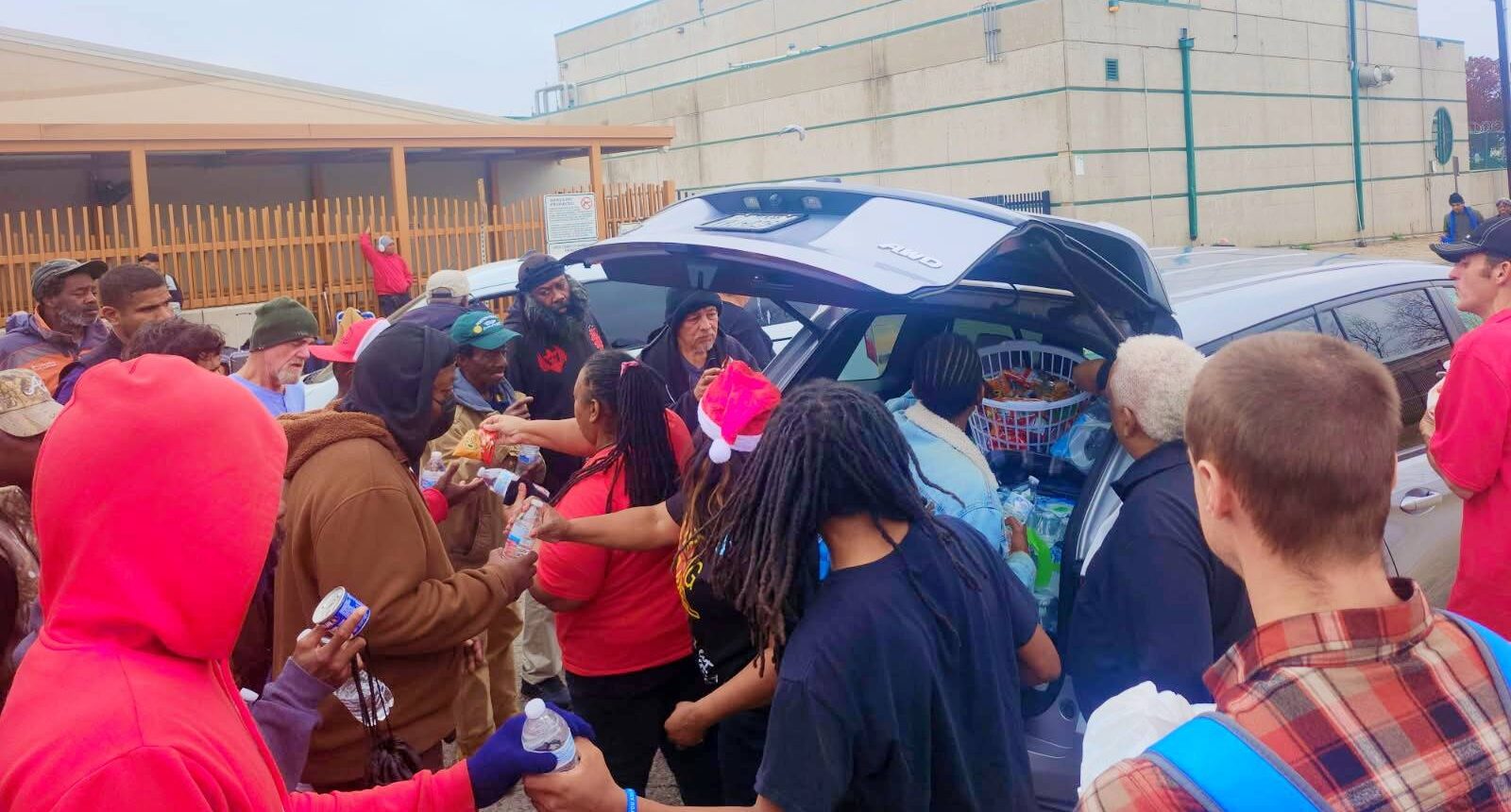
My recent outreach experience during the holidays reflects both the urgency of this work and the reality that our churches are facing. During a community outreach effort a few blocks from my church, our evangelism team went out to serve individuals experiencing homelessness. We served with food, water, blankets, socks, hoods, gloves, and scarves. As we moved from person to person, it became clear that what we brought would not be enough. There were far more people living on the streets than we expected, and we could not reach everyone. Watching the lines continue to grow was sobering. It forced me to confront the reality that the need is greater than what any single outreach effort can address. It also proved the need for coordinated, sustained, and connectional evangelism and mission strategies rather than isolated efforts. I left thinking about how this could have been a collaborative effort among many churches to help feed so many people.
A Leader Who Builds Bridges
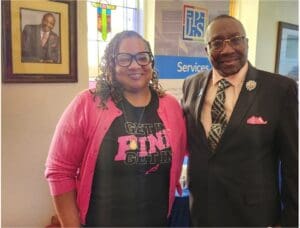
One of the greatest needs in this season of the CME Church is unity across districts, generations, and ministry contexts. Evangelism and missions cannot thrive in silos. They flourish when leaders trust one another, share resources, learn from one another, and work toward common goals. Throughout my ministry, I have consistently demonstrated the ability to build bridges:
• between the church and healthcare providers.
• between traditional and emerging ministry models
• between local churches and connectional leadership
• between clergy and laity
• between vision and implementation
• between different generations
I recognized early in my ministry that effective evangelism is not about imposing a single approach, but creating space for collaboration, training and development, and shared ownership of the mission. Churches differ in size, context, and capacity, but they share the same calling to: “Therefore go and make disciples of all nations, baptizing them in the name of the Father and of the Son and of the Holy Spirit, and teaching them to obey everything I have commanded you.” Matthew 28:19-20 (NIV)
My leadership has always been shaped by transparency, accountability, and mutual respect, because those values build trust. When trust is present, evangelism and missions are strengthened across the entire connection. When leaders feel heard, supported, and equipped, they are more willing to innovate, engage, and take faithful risks for the sake of the Gospel.
A Vision That Is Faithful and Forward-Looking
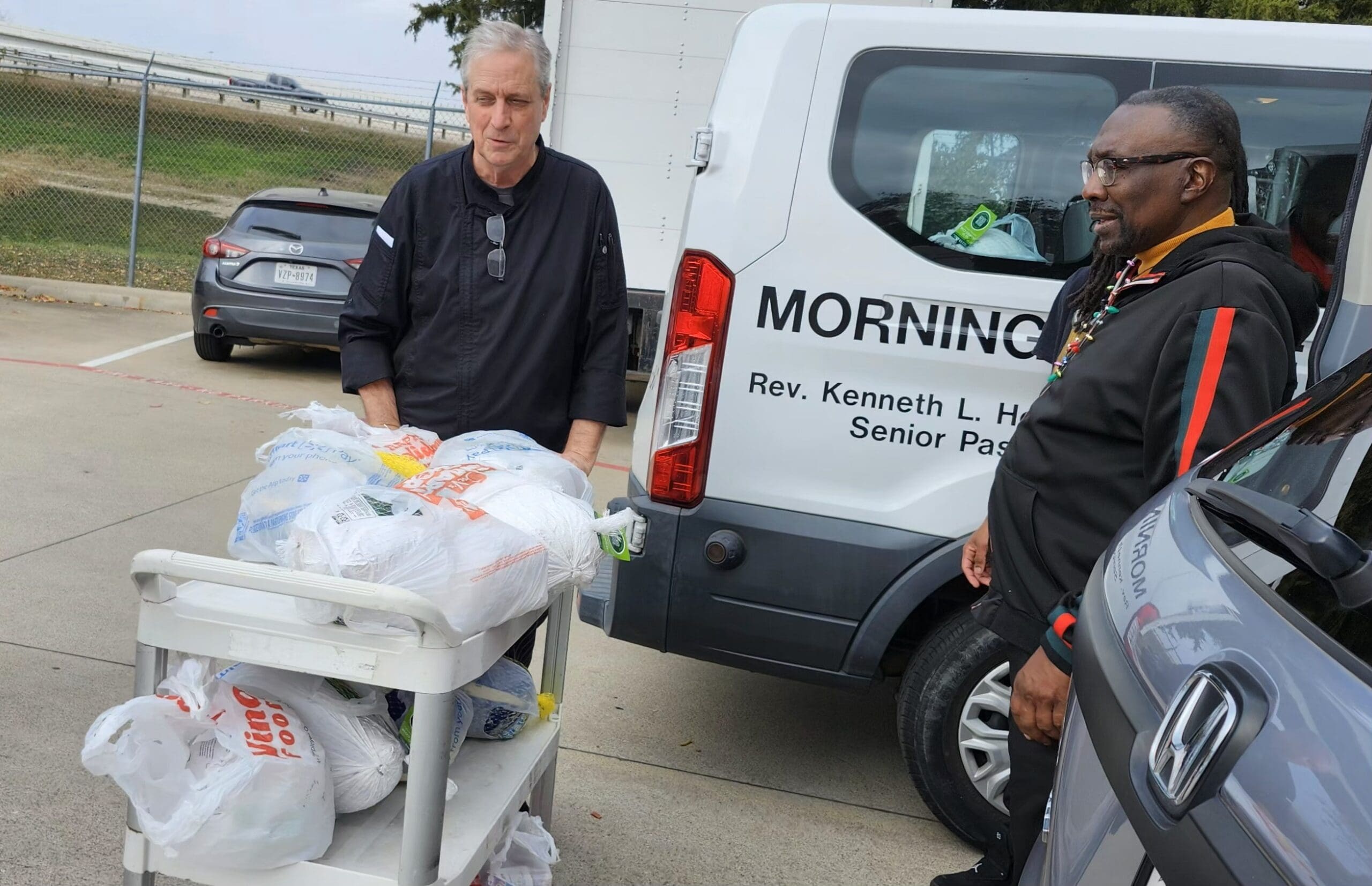
My vision for Evangelism & Missions is rooted in the Gospel and responsive to the realities of today’s world and the challenges we face regularly. It is both faithful to our CME identity and forward-looking in its approach. This vision includes:
1. Supporting Local Churches: Evangelism is the heartbeat of local churches. Without a healthy heartbeat, it will eventually die. I am committed to equipping congregations with practical tools, training, and resources needed to help them engage their communities effectively. This includes evangelism and missions training, as well as leadership development designed for their specific church culture and needs.
2. Strengthening Outreach to Underserved Communities: Evangelism and missions in the Black Church must remain closely tied to justice, compassion, and service. I am committed to strengthening outreach to underserved and marginalized communities, meeting physical needs while proclaiming hope, and ensuring our witness reflects the love of Christ in tangible ways.
3. Encouraging Intergenerational Engagement: The future of the Church depends on intergenerational engagement. Evangelism strategies must intentionally include our youth, young adults, and emerging leaders while honoring the wisdom and experience of our seasoned saints. Intergenerational ministry strengthens continuity and vitality.
4. Ensuring Responsible Stewardship: Faithful stewardship is both spiritual and practical. I am also committed to transparency, accountability, and wise management of resources entrusted to this office. Evangelism and missions must be effective, ethical, and aligned with the values of the CME Church.
5. Centering Christ While Adapting Methods: While methods may change, the message never does. Evangelism must remain Christ-centered while being adaptable, embracing new tools, technologies, and strategies without compromising theological integrity. This vision is actionable, measurable, and grounded in real ministry experiences.
From Vision to Practice: Guiding Principles for Evangelism & Missions
Throughout my campaign and ministry, five guiding principles have shaped how I approach evangelism and missions. These principles are not political talking points; they are practical commitments built on lived ministry experience and shaped by the realities our churches face every day.
1. Strategic Evangelism for Inner City and Rural Churches: Evangelism must be contextual. Many of our CME churches serve inner-city and rural communities, where unique challenges call for intentional and strategic approaches rather than one-size-fits-all solutions. I am committed to equipping churches with the practical tools, resources, and training needed to engage their communities and strengthen evangelism efforts within the congregation.
2. Innovative Outreach Strategies: The Gospel itself has never changed, but how people encounter it has. In my own ministry, I have seen how technology and social media can create opportunities for conversation and connection—especially with youth and young adults who may never walk through a church’s doors. Digital tools are not a replacement for the Gospel, but when they are used wisely, they can help us meet people where they are while remaining grounded in Scripture.
3. Collaborative Leadership: Evangelism and missions thrive when we work together rather than in silos. That collaboration must extend beyond the local church to include our bishops, pastors, presiding elders, and lay leaders. I am committed to leading in partnership because when leadership is shared, the whole connection is strengthened.
4. Training and Development: Over the years, I have learned that evangelism does not sustain itself without preparation. While the call to share the Gospel has never changed, the realities pastors and lay leaders face today are very different from even a generation ago. Training and development are necessary so leaders are equipped to serve faithfully in the world as it is now. I am committed to developing training programs, resources, and opportunities that equip evangelism teams and lay leaders to share the Gospel faithfully and lead others to Christ with confidence.
5. Community Engagement: I have learned in my over four decades of ministry experiences that evangelism takes on real meaning when the church shows up consistently in the community. Relationships are built over time, not through one-time events. I want to help churches strengthen partnerships, connect with the people they serve, and respond to real needs with compassion. When people see the church caring for them in practical ways, the message of the Gospel becomes clear and believable.
A more in-depth exploration of these evangelism and mission principles can be found in my forthcoming book, Outreach Is the Architecture of Evangelism, which expands on how to build faithful, sustainable outreach, evangelism, and missions in today’s church.
Leadership for This Season

The CME Church does not need leadership that is driven by fear. What we need is steady leadership grounded in the Gospel, shaped by real ministry experience, and committed to serving the entire connection. I am prepared for this role because I have lived this work. I have seen the challenges our churches face across different communities, districts, and regions. I offer steady, relational leadership grounded in faith. My commitment to evangelism and missions is not driven by position or recognition, but by a desire to see the church grow and for God to be glorified. This is the work of this moment, and I am ready to serve.
References
Thurman, Howard. The Inward Journey: Meditations on the Spiritual Life. New York: Harper & Brothers, 1961.