


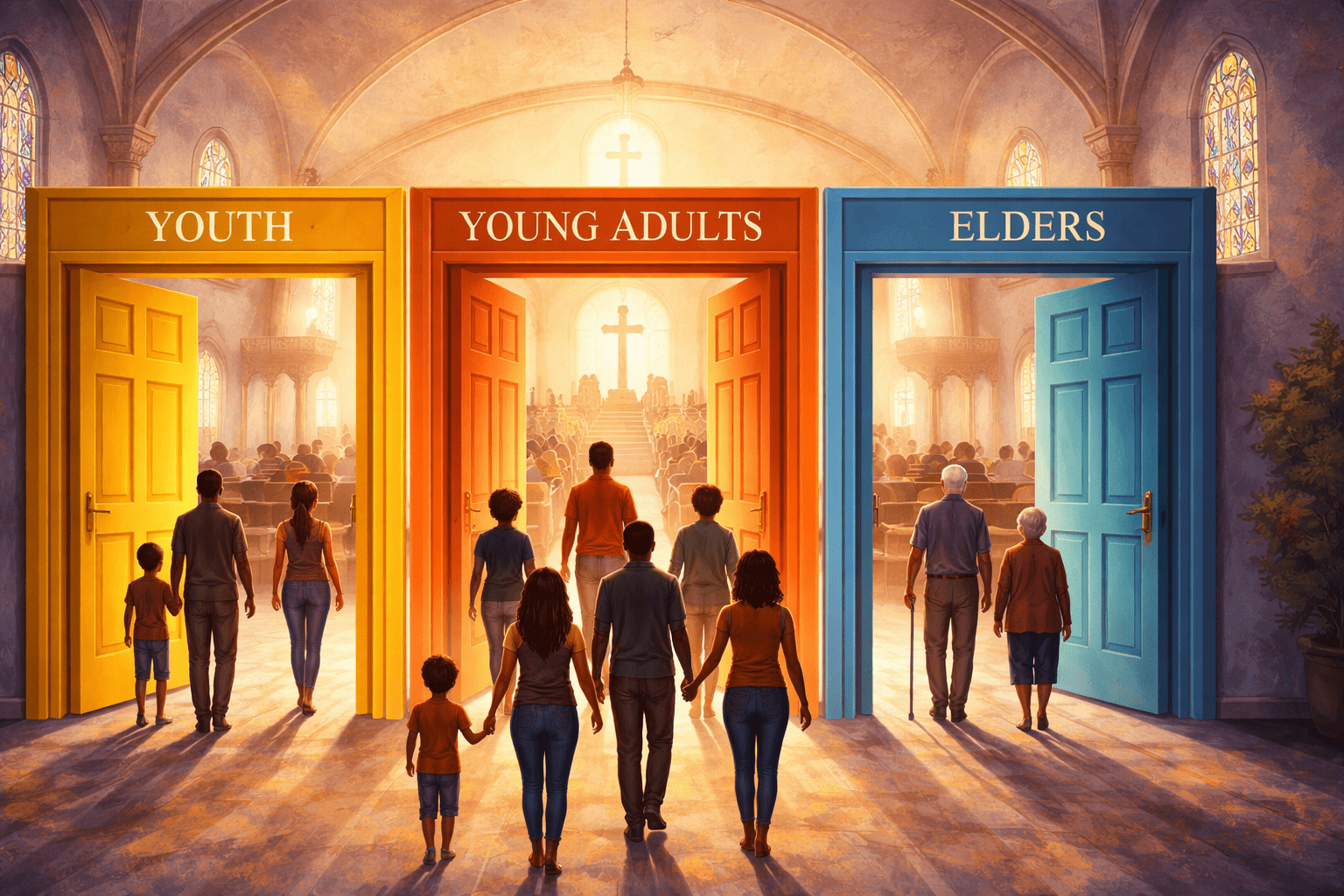
We are living in a time where the future of the CME Church is not ahead of us; it is already here, and we are living in the now. Young adults are not just the next generation of the church; they are a vital part of the church right now. Yet many of our churches are struggling to reach and retain them. The question should not be, “Where have the young adults gone?” but rather, “Have we opened the doors wide enough for young adults to feel invited to enter, welcomed to stay, and empowered to lead?” In the many conversations I have had with young adults, I have heard the same quiet concern, yet one that speaks loudly through their absence from our churches: young adults still believe in and desire a closer relationship with God, but feel unseen, unheard, and uncertain of their place in the church. This highlights how creating spaces where young adults feel seen and valued creates a deeper sense of belonging and encourages ongoing engagement.
Young adults' disengagement is not a new concern; researchers consistently argue that young adults are disengaging from church at higher rates than older generations. Pew Research Center data indicate that younger adults attend church less frequently and are more likely to unaffiliate religiously, even though they have personal spiritual beliefs. Authors Kinnaman and Hawkins associate young adults' disengagement with factors such as a lack of belonging, perceived irrelevance, and disconnection from church culture in their book, Faith for Exiles: 5 Ways for a New Generation to Follow Jesus in Digital Babylon. This reiterates the importance of intentional strategies to keep young adults engaged and connected.

In the context of the Black Church, Stacia Alexander’s dissertation, Examining the Retention of African American Young Adults in Their Childhood Church, emphasizes that young adult retention is based on their engagement, social connection, and participation within the church body. Alexander's findings indicate that when young adults form authentic relationships, stay involved, and have access to opportunities, they are more likely to remain engaged. This also reinforces that connection and participation play a significant role in retaining young adults in our churches. Therefore, creating space for service, growth, and leadership cultivates purpose and encourages long-term commitment.
I have witnessed these concerns firsthand. I accepted my call to preach the Gospel around my sixteenth birthday, and in my twenties and thirties, pastored several churches. My journey as a young adult pastor throughout the 1980s and 1990s gave me a deep understanding of both the challenges and opportunities of being a young leader in the CME Church. I remember hearing the voices of young adults who desired to lead but felt overlooked. Their passion was there, and their calling was real, but the doors were not always wide enough for them to walk through. Creating open doors brings hope and challenges leaders to cultivate more inclusive spaces for young adults. What is most striking is that many young adults today are expressing those same concerns. Decades later, it is the same frustration—only the voices have changed.
That tells me it is time for a shift in how we approach evangelism in our churches by adopting intergenerational evangelism. In my book, Outreach is the Architecture of Evangelism, I describe intergenerational evangelism as the intentional bringing together of all generations for worship, learning, and outreach to share the Gospel of Jesus Christ. I wrote,
“If I want to lead them, I must also learn from them. If I want them to walk through the doors of my world, I must be willing to walk through the doors of their world.”
We must create doors that make sense in their world—doors of understanding, access, and mutual honor that lead to opportunities. Young adults today are navigating complex seasons of life as they build their careers, form their identities, manage financial pressures, and seek stability in an ever-changing world. At the same time, they are searching for authenticity, belonging, and purpose. They are not looking for a perfect church; they are looking for a church where their lives and their faith connect in meaningful ways. When the Church truly opens its doors, something powerful happens. Young adults do not just attend, they engage. They grow. They lead. They begin to shape the life of the church.
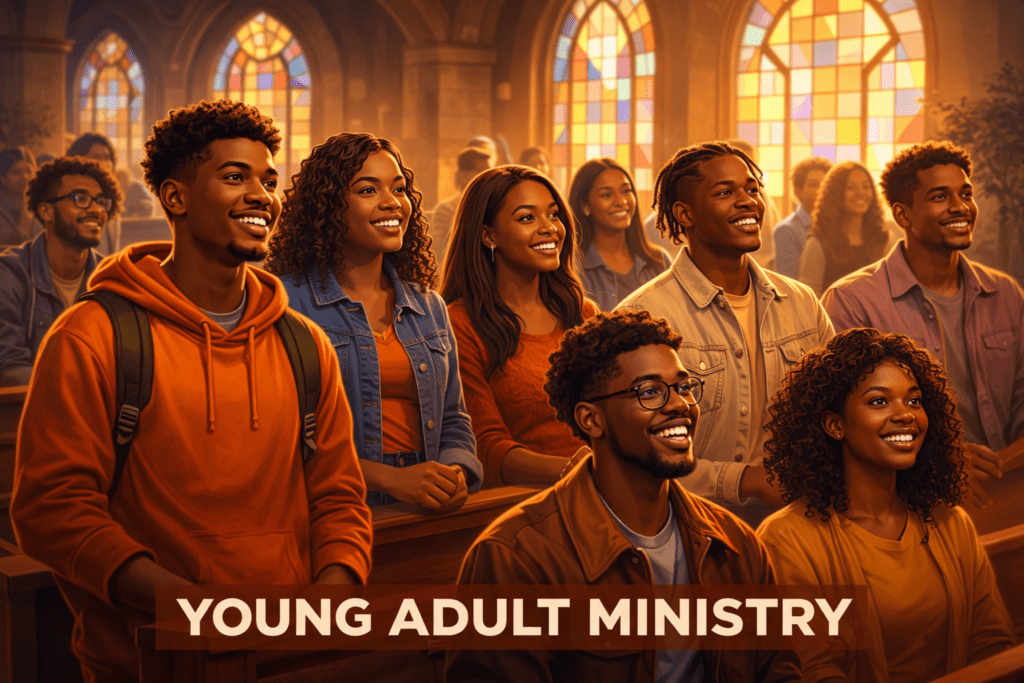
The creativity of young adults brings fresh energy and fresh ideas to the ministry. Their presence always reminds me that the church is a living body, not a static institution, which is why intergenerational evangelism is so important. The church was never meant for just one generation. It becomes stronger when wisdom and experience are combined with energy and innovation, especially through the sharing of stories and visions across generations. When elders share their stories and young adults offer fresh vision, the church grows into a more complete expression of who it is called to be.
A church with closed doors can become focused on the past. But when the doors are open wide, the church becomes engaged in the present, participating in the work God is doing right now. If we are serious about reaching young adults, we must listen more, be more authentic, trust them with real responsibility, create spaces where they feel needed, where their voices matter, and where their gifts are valued. One way we can do this is by creating a sense of belonging. Before young adults commit, they need to feel connected. They need relationships, not just programs. They need safe spaces to talk, ask questions, and be their authentic selves.
We must entrust our young adults to lead. They do not want to just sit in the pews; they want to serve, contribute, and make an impact in their communities. When we trust them with responsibility, we affirm their value in the body of Christ. We must also be willing to communicate in ways that resonate with them. The message of the Gospel does not change, but how we share it must be relevant and real. Meeting them in digital spaces and addressing real-life issues helps bridge that connection. Young adults are also drawn to purpose. They want their faith to have an influence.
We must also embrace intergenerational evangelism. When generations come together, something powerful happens. Wisdom is shared, creativity is released, and the church is strengthened. In Titus 2:2–6, we see a model of older and younger generations learning from one another and growing in faith and purpose. As I look toward the future of our Church, my prayer is that we be intentional about opening doors for young adults, creating spaces where they feel welcomed, equipped, and given opportunities to lead. The church should not only be a place where young adults grow, lead, and help shape the future of the church, but also a place that invests in their development. This means being intentional about creating mentorship opportunities, encouraging young-adult-led outreach, expanding digital ministry, and providing spaces for training and development.
My commitment is not just to invite young adults into the church, but to walk alongside them as they discover their purpose and calling. When young adults are empowered, the church becomes alive in new ways. This kind of life leads to transformational evangelism. Every generation has a role in building God’s house. The future is not coming; it is already here, and it calls for us to open doors now. The question is, will you open the doors wide enough for the next generation?
Call to Action:
- Take a moment to reflect on how your church is creating space for young adults to feel seen, heard, and valued. Consider what doors are too narrow and may need to be widened.
- Be intentional about building relationships across generations. Listen to young adults, listen to their struggles, and walk alongside them in their journey of faith.
- Create opportunities for young adults not only to attend, but to serve, lead, and help shape the life of the church.
- Examine how your ministry engages young adults. Are you meeting them where they are and connecting faith to their everyday lives?
- Step outside of your comfort zone and open new doors, trusting that when we invest in young adults, we strengthen the Church for today and for generations to come.
References
Alexander, Stacia Lynn, "Examining the Retention of African American Young Adults in Their Childhood Church" (2017). Walden Dissertations and Doctoral Studies. 3653.
Hollingshed, K. L. (2026). Outreach is the Architecture of Evangelism. WestBow Press.
Kinnaman, D., Matlock, M., & Hawkins, A. (2019). Faith for exiles: 5 Ways for a New Generation to Follow Jesus in Digital Babylon. Baker Books.
Kinnaman, D. (2011). You Lost Me: Why Young Christians Are Leaving Church…and Rethinking Faith. Baker Books.
Lifeway Research. (2019). Most Teenagers Drop Out of Church as Young Adults.
Pew Research Center. (2019). In U.S., Decline of Christianity Continues at Rapid Pace.