

In the months following the devastation of Hurricane Melissa, our journey to Jamaica was not just a scheduled annual conference; it was a response to an urgent need. After landing on the beautiful island of Jamaica, our U.S. delegation traveled three and a half hours to the parish of St. Elizabeth, Jamaica, where we witnessed the storm's impact—damaged structures, uprooted trees, disrupted routines, displaced families, and visible reminders of loss. When we arrived at Good News CME Church, we did not just step into the church for worship; we stepped into a sacred space where the people of God had gathered, prayed, and believed in spite of the storm. The pastor, Presiding Elder Rev. Colmie Simms met us with a warm welcome. This experience compels me to serve even more in the work of evangelism and missions.
My wife, Rev. Tanesha, and I have served in Jamaica alongside Sr. Bishop Lawrence L. Reddick since 2017. The relationships we have built over the years have strengthened our understanding of both ministry and missions. Witnessing the congregation's faith, hope, and resilience, even in the aftermath of the hurricane, immediately shifted my perspective. In that moment, I had an epiphany: missions are not just theoretical or planned; they are present, necessary, and personal. It reminded me that the Church is called to show up not only in times of strength, but especially in times of vulnerability, to help rebuild, restore, and reconnect.
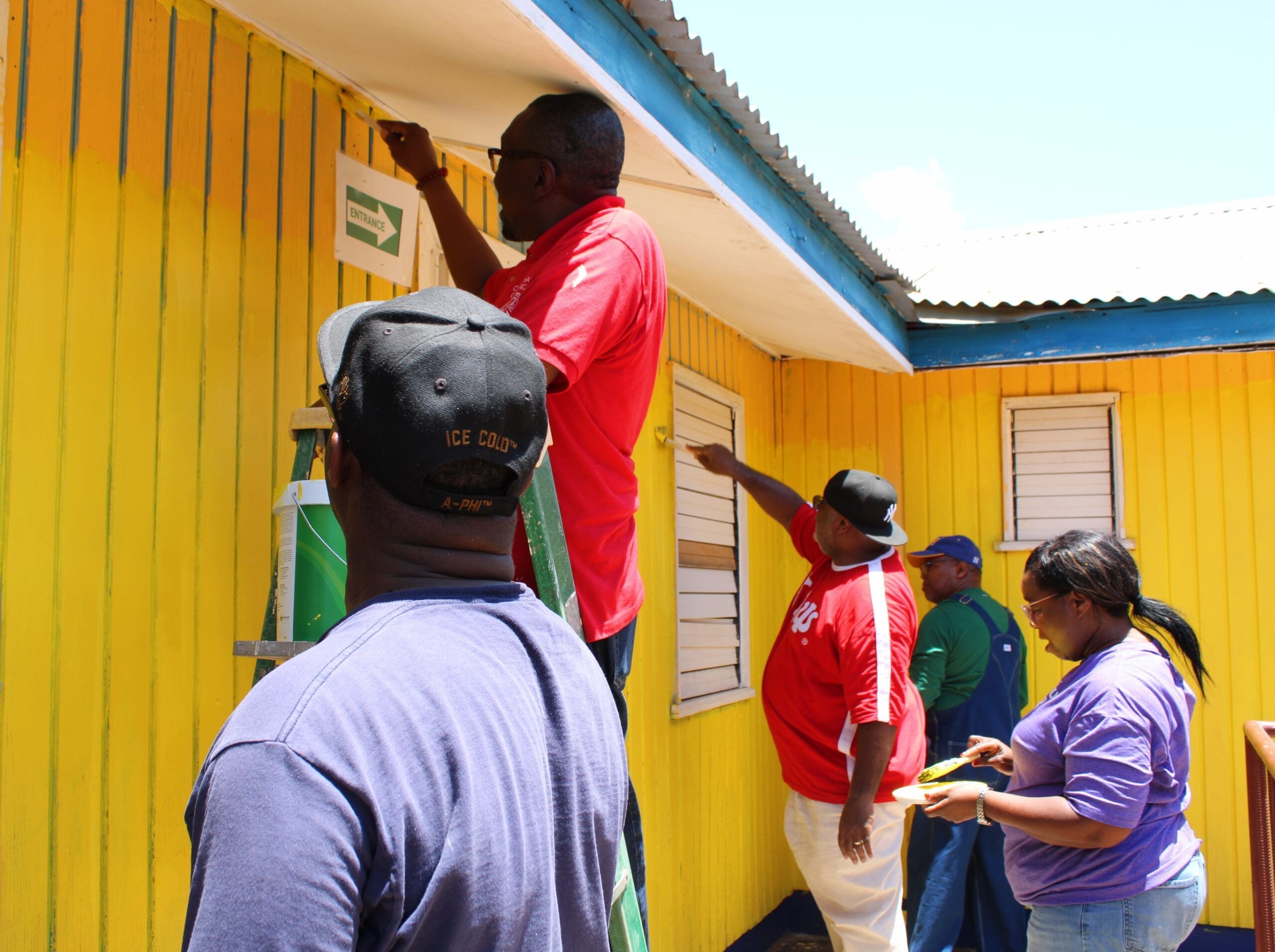
While serving at the church, we had the opportunity to work alongside other local churches in very tangible ways. We helped to paint the church’s school, Pauline B. Grant Early Childhood Institution, and restored the boards along the eaves and roof trim. What may have seemed like simple work became meaningful as we realized we were contributing to a space that has long served as a place of education—where students gather and hope is nurtured within the community. Through collaborative leadership, my church, Morning Chapel CME, where I serve as pastor, and our community prayer line, the 5 am Hour of Power family, led by my associate minister, Rev. Yolanda Smith Smipkins, offered both prayer and financial resources.
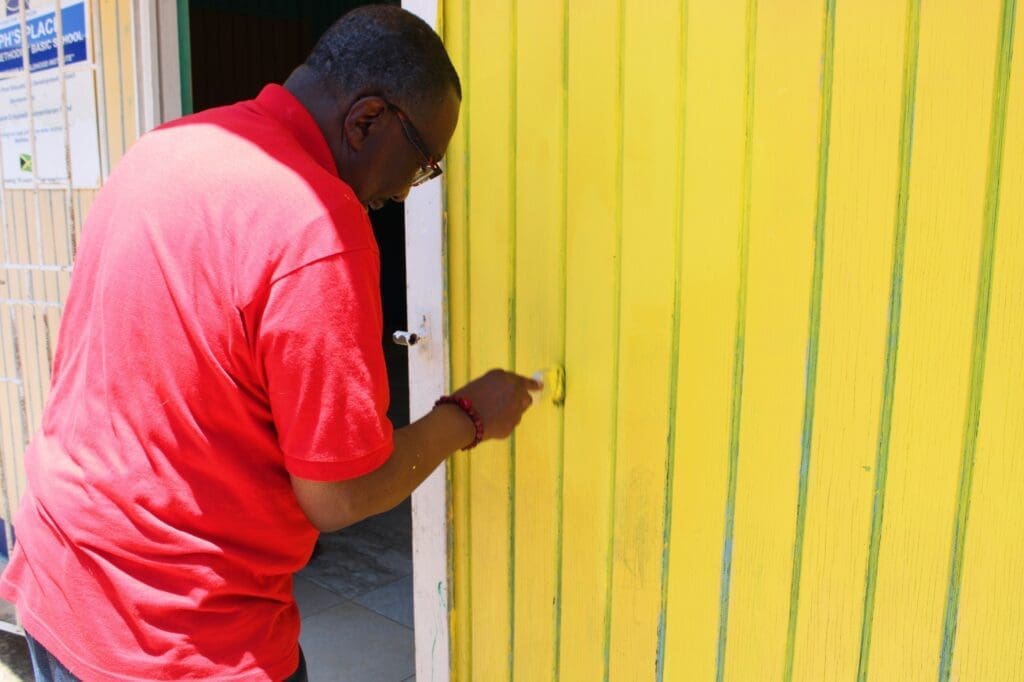
Serving with purpose to renew a place where learning and hope continue.
Our Missionary Society also worked diligently to assemble travel-size personal hygiene bags, and ushers donated conference bags; small resources that supported our mission. The smiles on their faces as we distributed the items reminded me that missions are not always about bringing extravagant gifts, but about meeting real needs with compassion, intentionality, and care.
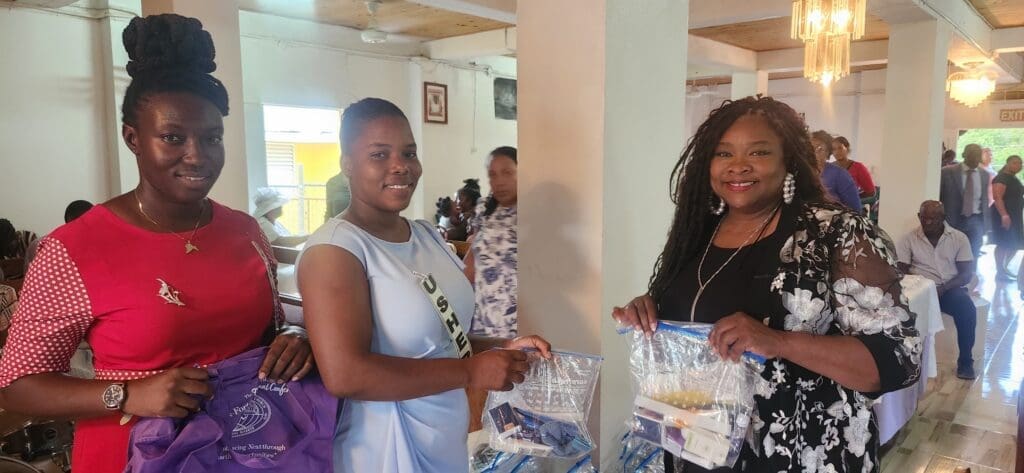
Distributing personal hygiene care bags and conference bags to support the community.
One of the most prophetic moments came when we paused to pray with the congregants. There were no differences of location or culture—only a shared faith, spirit, and fellowship in Christ. We clearly understood that missions is not only about what we bring, but about the relationships we establish and the presence we share. Despite the losses the community had endured from the hurricane, we worshipped together, each of us received a thoughtful gift from the host church, and every day we were served food and beverages with love.
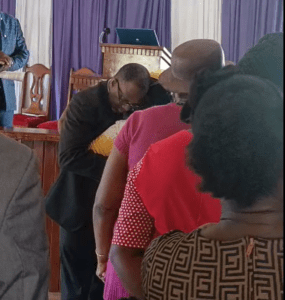
Altar call: Pausing to pray with the congregants in a moment of shared faith and unity.
It reminded me of an excerpt from my book, Outreach Is the Architecture of Evangelism: "While we support them with tangible items, the heart of our work is a ministry of connection. Some of the resources we provide support building and restoration projects, but our team quickly realized that before we could help them rebuild physically, we needed to establish relationships first. People from all walks of life gather to worship, sing hymns, and become one big family. In our worship, we aim to inculcate the beauty of both U.S. and Jamaican traditions, merging the rich cultural expressions to form a shared, united worship experience." (Hollingshed, 2026, p. 103).
On the last night of our stay, Rev. Colmie Simms and her church hosted a departing dinner where members of the U.S. delegation and members of the Jamaica Region Annual Conference gathered at a beautiful restaurant as one church family. It was a humbling reminder that real hospitality is not defined by what one has, but by a heart that is willing to give, serve, and love without reservation.
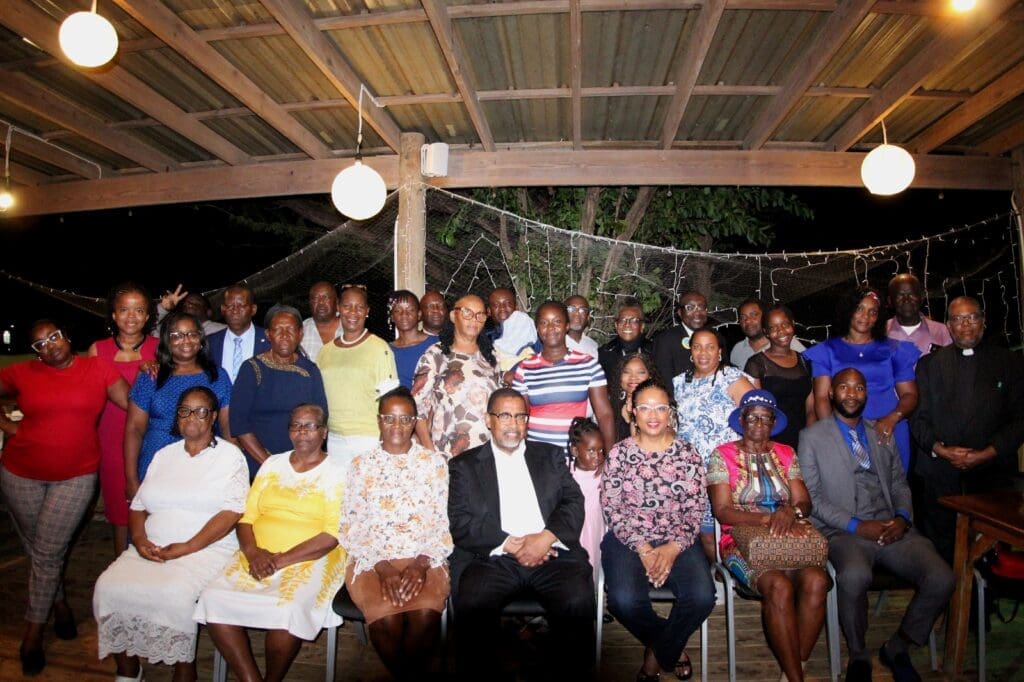
One family in Christ: U.S. and Jamaica gathered in fellowship.
Returning from Jamaica reminded me that missions is not just something the Church does—it is who the Church is. It was more than a mission trip; it was a living expression of faith in action. It truly blessed me to worship together, serve together, and build relationships that reminded me that the body of Christ extends far beyond our local churches.
Missions also revealed something even more powerful: the Church is at its best when it is connected, engaged, and present. It is when we see the gospel not only preached but lived out. As we reflect on this experience, we are challenged to consider how the CME Church can continue to strengthen its global witness.
Models for Strengthening Missions and Global Witness
Our time in Jamaica was not merely a mission trip; it was a glimpse into what the Church looks like when it fully embraces its calling to serve outside its walls. It is worshipping, partnership, learning, and serving woven together in a way that mirrors the true nature of God’s global witness. If the CME Church is to strengthen its impact in evangelism and missions, we must think beyond occasional efforts and begin to build structured, connectional, and visible models of mission work that can last and grow over time.
We must embrace the development of missional communities—organized expressions of the Church that guide how we connect, serve, and engage both locally and globally. These communities serve as essential building blocks in strengthening our global witness and ensuring that missions become a consistent and defining part of who we are. The following five missional community models are presented as a conceptual framework founded in the scholarship of missional ecclesiologists, designed to help us move forward with purpose.
1. Missional Communities and Connectional Networks
One of the greatest strengths of the CME Church is its connectional structure. Missions become more effective when churches do not work in isolation but are connected through shared purpose and partnerships. What we witnessed in Jamaica was the power of connection, where churches, leaders, and communities came together across geographical boundaries to support one another. It requires intentional communication, collaboration between Episcopal Districts, the overseas mission secretary, and a shared commitment to advancing the mission of the Church.
In Missional Church: A Vision for the Sending of the Church in North America, Darrell Guder (1998) emphasizes that for a church to function as a missional community, it must recognize that it no longer occupies a central place in society. Instead, it must see itself as a sent people—moving beyond its walls to engage the world where people already are. When we are connected, we are stronger.
2. Missional Communities and Local Impact
Although most people often think of international travel when they think of missions, its foundation should begin at the local church level. The same spirit of service that we carried to Jamaica must also be present in our own communities. Missions is defined by our willingness to serve wherever there is a need. Churches must be prepared to meet the needs of their communities, whether through outreach programs, supporting schools, or feeding the unsheltered.
In Missional: Joining God in the Neighborhood (2011), Alan J. Roxburgh urges Christians to leave church buildings and enter local neighborhoods to discover God's work, emphasizing presence over programs. Global missions and local missions are not separate efforts; they are interconnected expressions of the same calling. When we embrace missions as an integral part of our faith, it can transform lives and strengthen our church and community.
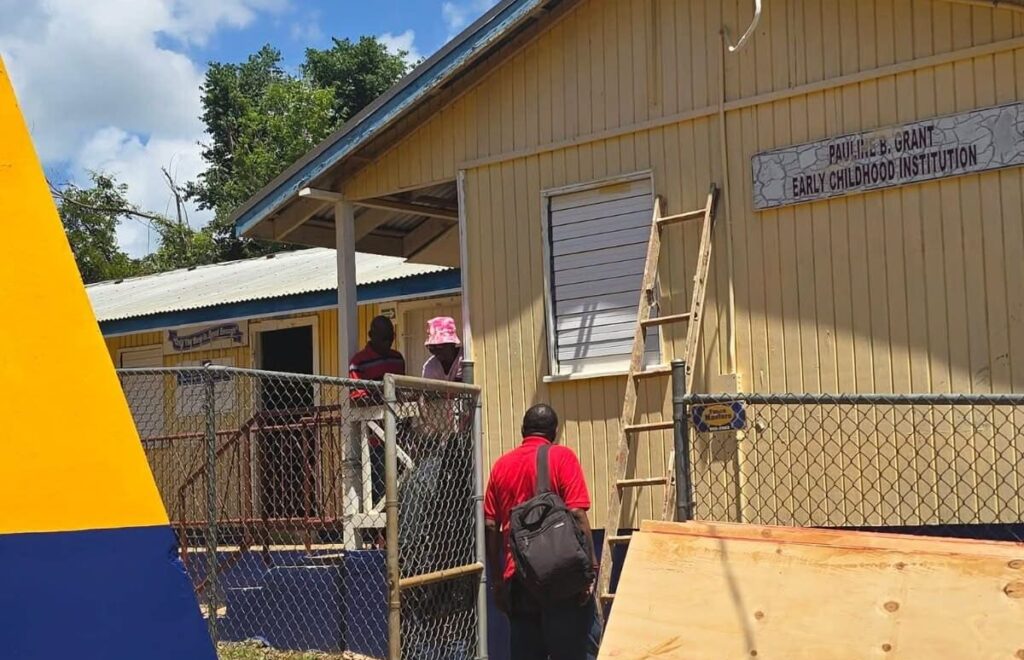
Restoring spaces of hope: Serving alongside the local church community at Pauline B. Grant Early Childhood Institution.
3. Missional Communities and Visible Witness
Missions must be seen, and not just talked about. It should not be hidden within its walls but demonstrated through visible acts of service and love. In Jamaica, the impact of missions was evident, not only in what was given but in how relationships were formed and strengthened. A visible witness builds trust, opens doors, and creates opportunities for evangelism. People are drawn to what they can see, which is why I am intentional about sharing photos of our experience. When the Church shows up consistently in communities, it becomes a reflection of Christ’s presence in the world. As the late Bishop Lesslie Newbigin (1989) reminds us, “The only hermeneutic of the gospel is a congregation of men and women who believe it and live by it.” Evangelism and missions intersect when faith is demonstrated through action.
4. Missional Communities and Church Responsibility
Missions is not the responsibility of a single ministry or a select group of individuals; it is the responsibility of the entire Church. Every member, every ministry, and every leader plays a role in advancing the mission. It required teamwork, working with people willing to serve, give, lead, and support in different ways. The same is true for the CME Church. Strengthening missions depends on our collective effort and shared commitment. In The Ministry of the Missional Church (2007), Craig Van Gelder emphasizes that the Spirit forms congregations to participate in God’s redemptive work in every dimension of life, which reminds us that the Church is not called to exist for itself, but for the sake of God’s mission in the world. When the entire body is engaged in missions, the work becomes more effective and more impactful.
5. Missional Communities and Sustainable Partnerships
One of the most important lessons I learned is that missions must be ongoing, not occasional. True impact is built through partnerships that go beyond one visit. Sustainable partnerships allow the Church to walk alongside communities, provide consistent support, and build trust. In The Shaping of Things to Come (2003), Michael Frost and Alan Hirsch describe mission as a partnership with God, reminding us that God is already at work in the lives of those whom we serve. In The Christian Imagination (2010), Willie James Jennings reframes mission as joining—a relational act in which believers are drawn into meaningful connection with others across cultures and communities. Partnerships are what strengthen both the Church and the communities it serves.
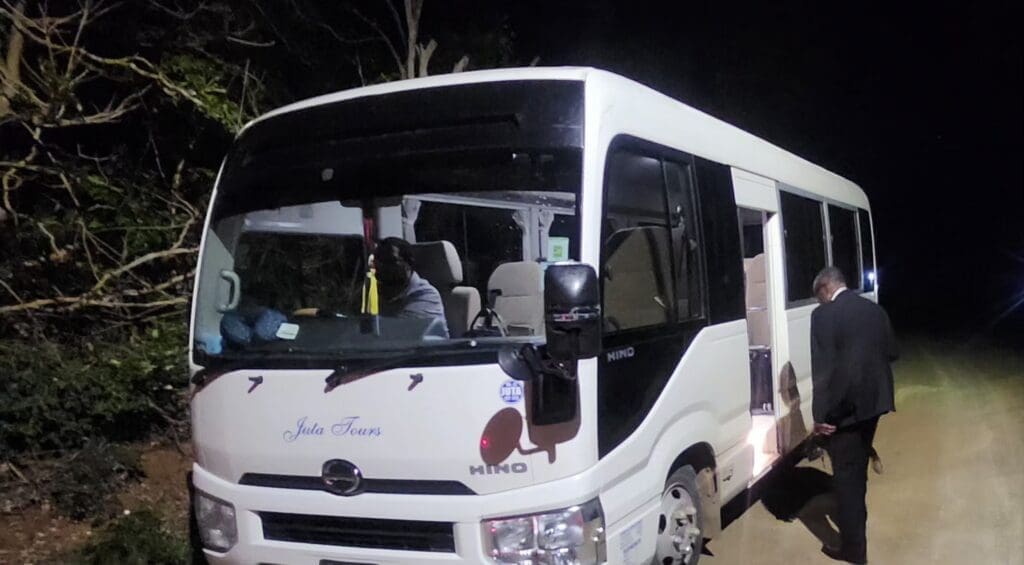
On the journey: The final day of the conference as we prepared to return home.
Missions do not end when we return home; they continue through ongoing communication, prayer, and collaboration. Like the Sankofa bird, we look back to retrieve what is essential so that we may build wisely for what lies ahead. Our trip to Jamaica is far more than a memory; it is something to carry forward. As I reflect on my own ministry, I recognize that evangelism and missions found me; I did not find evangelism and missions. The CME Church has a rich legacy of evangelism and missions, and now is the time to strengthen that legacy through intentional structure, partnerships, strong, visionary leadership, and a renewed commitment to serving. As we look ahead, let’s make a commitment to strengthen our global witness, deepen our connectional work, and continue building a Church that reflects Christ in every community it touches locally and globally.
Call to Action:
- Commit to strengthening connections across churches and communities. Reach your local congregation and actively build relationships that expand the Church’s collective impact.
- Look within your own community and identify one need you can respond to this month. Do not wait for a mission trip; become the mission where you are. Your community is your first assignment.
- Make your faith visible with consistent acts of service. Let your church be known not only for what it believes, but for how it shows up. When people can see the work, they are more open to hearing the message.
- Engage every member in the mission. Encourage each individual to take ownership of missions. Missions is not just merely a department; it is the responsibility of the entire body. This promotes pride and purpose.
- Build relationships that last beyond a single event. Stay connected, follow up, and commit to ongoing support through prayer, communication, and collaboration. This nurtures a sense of belonging and community.
References
Frost, M., & Hirsch, A. (2003). The Shaping of Things to Come: Innovation and Mission for the 21st Century. Baker Books.
Guder, D. L. (1998). Missional Church: A Vision for the Sending of the Church in North America. Eerdmans.
Hollingshed, K. L. (2026). Outreach is the Architecture of Evangelism. WestBow Press.
Jennings, W. J. (2010). The Christian Imagination: Theology and the Origins of Race. Yale University Press.
Roxburgh, A. J. (2011). Missional: Joining God in the Neighborhood. Baker Books.
Newbigin, L. (1989). The Gospel in a Pluralist Society. Eerdmans.
Van Gelder, C. (2007). The Ministry of the Missional Church: A Community Led by the Spirit. Baker Books.