


As I reflect on the state of the Church and the urgent need to revive the fire of evangelism, I cannot help but think about the calling God has placed upon my life as I seek to serve as the next General Secretary of Evangelism and Missions for the Christian Methodist Episcopal Church. Like Jeremiah, God is still calling leaders to speak truth to power, ignite revival, and challenge the Church to return to its mission during some of the most crucial times in our history.
Many communities are in pain, and young people are looking for purpose. Churches are finding it hard to keep their passion for evangelism alive as the world changes. People are also facing injustice, violence, mental health issues, poverty, and the loss of voting rights that past generations worked hard to protect. In times like these, the Church should not stay silent or give in to fear or comfort. We are meant to speak up, bring healing, and shine as a light in dark times. These times remind me of the life and ministry of Jeremiah.
There has always been something special about the story of Jeremiah that resonates deeply with me. Many scholars believe Jeremiah was only around 17 years old when God called him to minister to the people of Judah. When God told Jeremiah that he had been chosen and ordained to be a prophet before he was even born, Jeremiah immediately felt overwhelmed by the assignment and believed he was too young and inexperienced. But the Lord responded:
“But the Lord said to me, 'Do not say, ‘I am too young.’ You must go to everyone I send you to and say whatever I command you. Do not be afraid of them, for I am with you and will rescue you,” declares the Lord.” ~Jeremiah 1:7–8 (NIV)
Jeremiah felt too young and unqualified for such a great assignment, yet God reminded him that the calling was rooted in His presence and purpose. I can relate to that feeling because I, too, was called to preach the Gospel at a very young age—just 16. I remember wrestling with the same emotions Jeremiah experienced: I am too young. Yet God often calls people long before they feel fully prepared because His strength is made perfect in our weakness.
Jeremiah was called to speak God’s truth during some of the most difficult times, even when the people did not want to listen. There were moments when he became so overwhelmed that he wanted to stop preaching altogether. I imagine him questioning whether the struggle was worth it. I have felt that way before in my ministry, and I am sure you have felt the same—whether you are a pastor, evangelist, ministry leader, missionary, steward, stewardess, usher, choir member, or a faithful builder serving quietly in the church. Ministry can become exhausting when you are constantly pouring into others.
Despite his frustration, Jeremiah discovered something powerful and prophetic: he could not remain silent. God’s Word had become “like a fire shut up in his bones” Jeremiah 20:9 (NIV). The call on his life was too deep within him for him to walk away from it. Even during difficult seasons, the fire of God kept pushing him forward. It is the kind of fire I carry in my heart and vision for the Department of Evangelism and Missions.
Like Jeremiah, there is a fire shut up in my bones to help push our Church forward, to reignite evangelism, strengthen missions, equip leaders, engage communities, and remind the Church of its God-given assignment. Even during challenging times, the fire of evangelism continues to compel us to move forward.
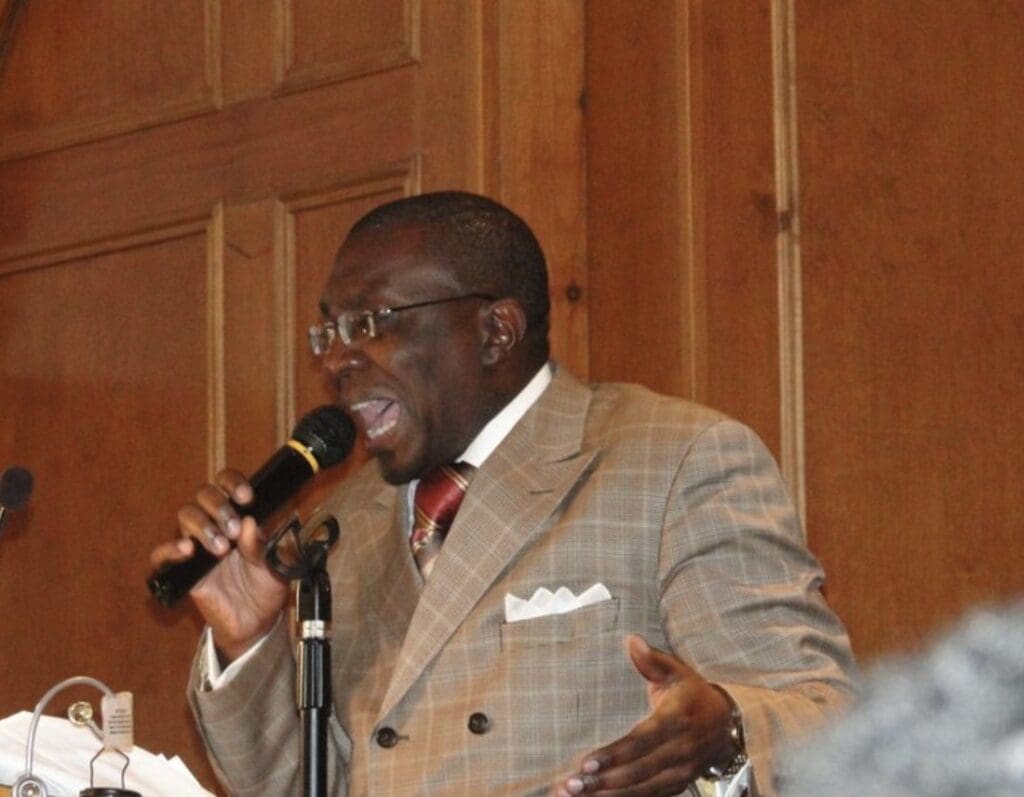
I am reminded of a time shortly after I moved to Texas from Georgia, when I was invited by the former Senior Bishop of the Christian Methodist Episcopal Church, Bishop Marshall Gilmore, to preach at an East Texas Region Annual Conference at the hotel where it was being held. I graciously accepted the invitation, believing God had assigned me to deliver a Word for the people of God.
I had become so consumed in preaching the message and flowing in the fire of the Holy Spirit that, just as I shifted gears in my sermon, smoke suddenly began filling the conference room, and people began to panic. At first, I did not fully realize what was happening because I was so caught up in the spirit. People began shouting, “Hollingshed, let’s go! The hotel is on fire!” First responders had already been called, but I was still preaching through the smoke-filled room.
I vividly remember Senior Bishop Marshall Gilmore looking directly at me and saying, “Hollingshed, we’ve got to get out of here. The building is on fire, and smoke has filled the room!” When we exited the building, the preachers and laity were standing outside laughing and saying, “Hollingshed, you preached so hard you set the place on fire!” For years afterward, that moment became a running joke wherever I traveled to preach in Texas. People would say, “You are the preacher who set the hotel on fire!”
In reality, the smoke came from a malfunctioning air-conditioning system that caught fire and spread smoke through the ventilation system. But spiritually, the moment became symbolic for me. It reminded me that when God's fire truly burns within you, people feel its impact. Fire gets attention, spreads quickly, and moves people. Perhaps that is what the Church needs again today, not manufactured excitement, but a genuine fire for evangelism, revival, outreach, and the presence of God!
Across the country, many churches are experiencing spiritual fatigue. Some have become so consumed with maintaining programs, traditions, and activities that the fire of evangelism has slowly cooled. We have mastered “church life,” but in many places we have lost our urgency for reaching souls.
In my role as Director of Evangelism, I have witnessed firsthand how many churches have become comfortable with their worship services while maintaining limited community engagement. Some have beautiful sanctuaries, but very little passion for the people outside the church walls. In fact, I have seen how churches can become so focused on maintaining the institution that they lose sight of the Great Commission. While our traditions are valuable and should be honored, we must be careful that tradition does not replace transformation.
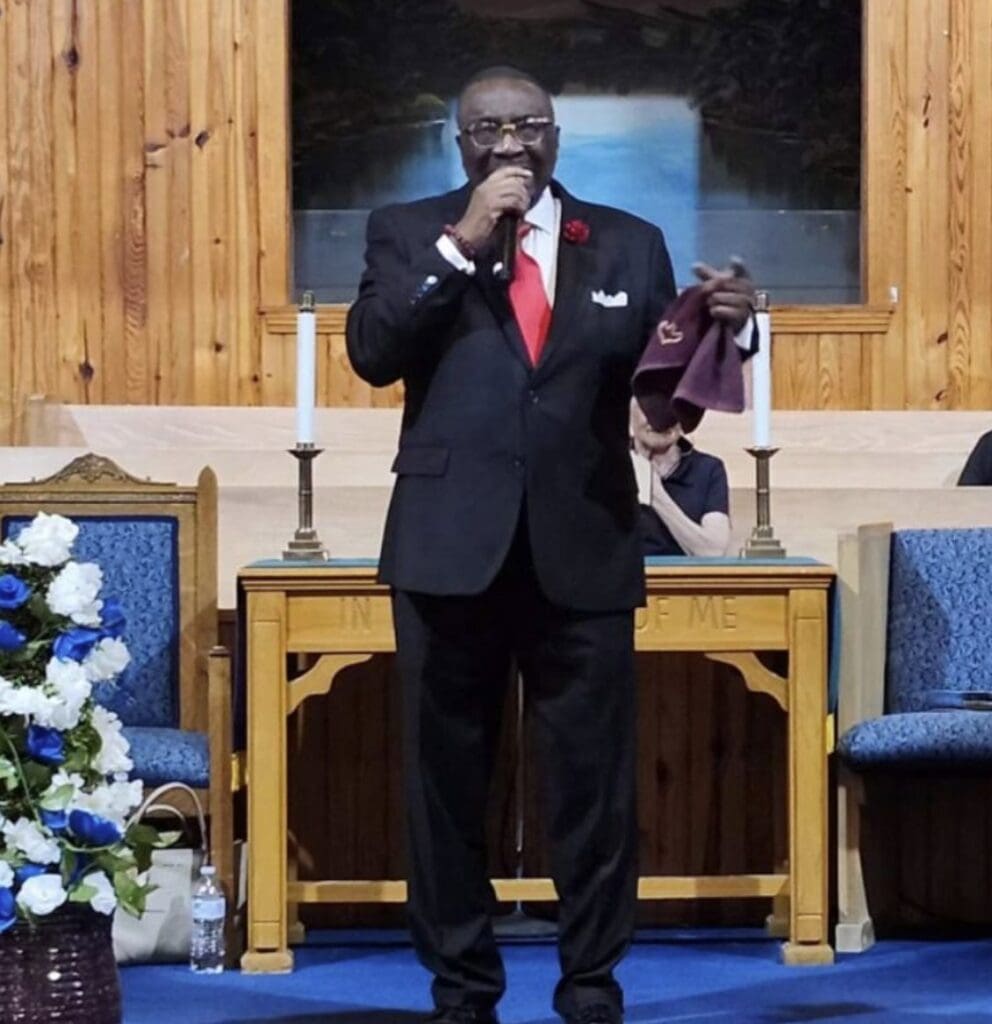
Just as Jeremiah, there are still people who cannot ignore the call to reach the lost, serve the hurting, feed the hungry, mentor the next generation, and proclaim the Good News of Jesus Christ. The fire may have dimmed in some places, but it has not gone out. This is an urgent time for the Church to revive the fire of evangelism. We cannot afford to become spiritually cold in a world that desperately needs hope. People in our own communities are hurting. Every day, people battle depression, loneliness, violence, hopelessness, and spiritual emptiness.
Many are simply yearning for someone who cares enough to reach out to them, which is why I believe "outreach is the architecture of evangelism". Subsequently, the Church cannot remain confined within the four walls of the sanctuary. We must continue building relationships with schools, hospitals, youth organizations, and community leaders so we can meet people where they are. Much of the ministry of Jesus took place outside the walls as He walked among the people, ministering to their spiritual, emotional, and physical needs.
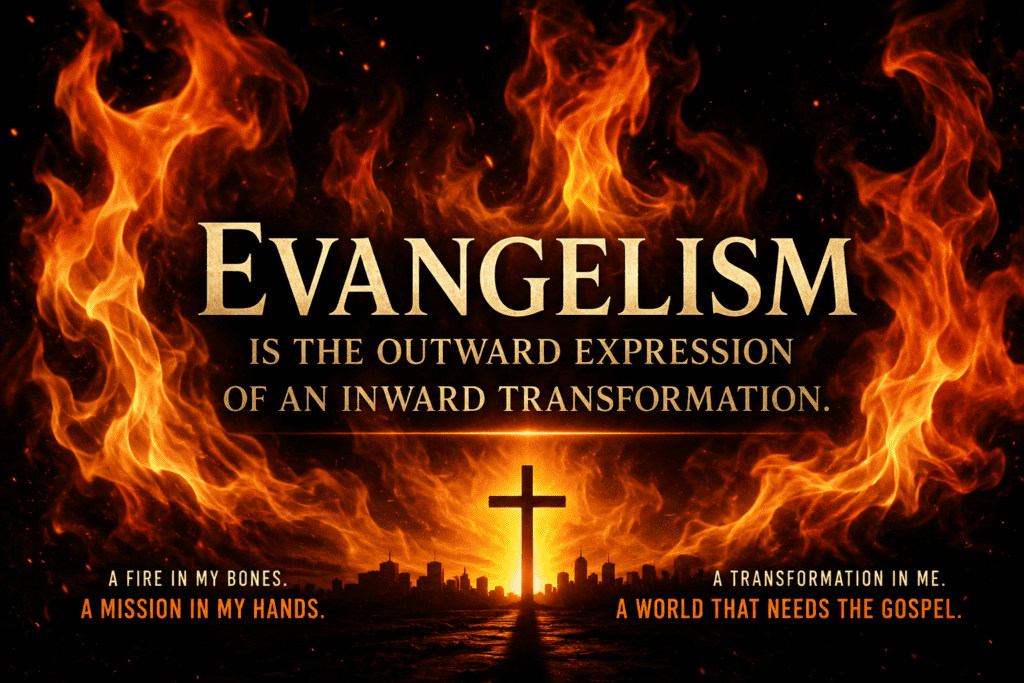
Evangelism is the outward expression of an inward transformation. When the Gospel truly changes us, it becomes impossible to keep it contained. Like Jeremiah's fire, it spreads through our words, our witness, our service, and our compassion. Unfortunately, in many churches, evangelism has become secondary instead of central. Outreach is treated as an occasional event rather than a ministry that keeps the fire burning. Some churches have unintentionally shifted from mission to maintenance. They have become caretakers of buildings instead of carriers of fire. But I believe God is calling the Church back to its original assignment: to go, to reach, to serve, and to disciple.
The Black Church has always understood this fire. Even through slavery, segregation, and the Civil Rights Movement, the Church was more than a place to gather on Sundays. It became a refuge for our community. It offered hope, survival, prayer, organizing, and empowerment. Even when society tried to diminish their worth, God's unwavering love continued to affirm them, calling them worthy, no matter how systems were set up to hold them back.
Evangelism has always been more than just preaching. It included feeding families in need, teaching children, mentoring young people, finding shelter for the unsheltered, and supporting communities that were often overlooked or oppressed. This passion for evangelism brought about both spiritual change and helped communities survive. We need that same passion today. We need churches that are not just occupied with activity but consumed with purpose. We need leaders who are willing to move beyond comfort zones and meet people where they are. We need members who understand that evangelism is not reserved for pastors only, but is the responsibility of every believer. We need churches willing to leave the sanctuary and enter the streets, schools, shelters, hospitals, prisons, and digital spaces where people are searching for hope.
Fire can spread quickly. When something catches fire, it affects everything nearby. The same thing happens spiritually. When a church is on fire about evangelism, the whole community feels the heat and starts to change. Relationships heal. Young people get involved. New believers feel energized. Outreach becomes intentional. Worship feels real. Prayers grow stronger and more meaningful. The church stops just surviving and starts thriving. That same fire still burns in me, and it inspired my new book, "Outreach Is the Architecture of Evangelism." I hope others will catch this fire and carry it forward. My book is a spiritual guide for building churches that reach out, teach, disciple, and change lives through evangelism and outreach. In it, I share the five main pillars that have shaped my ministry: Strategic Evangelism, Collaborative Leadership, Training and Development, Innovative Outreach, and Community Engagement.
My prayer is that the Church will return to the fire of authentic evangelism, so that the flame spreads throughout our homes, churches, schools, and communities. Building a culture of evangelism is less about managing programs and more about constructing a living spiritual structure that reflects the heart of Christ. I thank God for allowing me to witness firsthand how evangelism can invigorate the Body of Christ. Evangelism is not simply an activity of the Church—it is the heartbeat that keeps the Church alive, growing, and connected to the people God has called us to serve. Even after more than forty years of ministry, there is still a fire shut up in my bones. Perhaps the question we must ask ourselves today is: Has the fire gone out, or is it still burning in our bones?
Call to Action:
Pray for Revival Daily: Ask God to reignite the fire of evangelism in your heart, your church, and your community. Ask God to raise up bold leaders who are willing to carry the Gospel beyond the church walls.
Embrace Your Divine Design: God has uniquely designed you with a quietly behind the scenes, you were designed to help advance God’s Kingdom.
Let Go of Your Excuses. Like Jeremiah, you may feel too young, too old, not experienced enough, or not qualified. But God gives strength to those He calls. Your limits do not limit God.
Trust that God’s Word is Unstoppable. Even if progress feels slow, challenges come up, or the world is changing, God always keeps His promises. Keep trusting in God’s Word, even when you do not see results right away.
Keep the Fire Burning: The Church cannot afford to lose its fire for evangelism. Mentor the next generation. Share your testimony. Serve those in need. Let the fire of God move you beyond your comfort zone and into purpose.
References
Brueggemann, W. (1998). Jeremiah. Eerdmans.
Hollingshed, K. L. (2026). Outreach Is the Architecture of Evangelism. WestBow Press.